
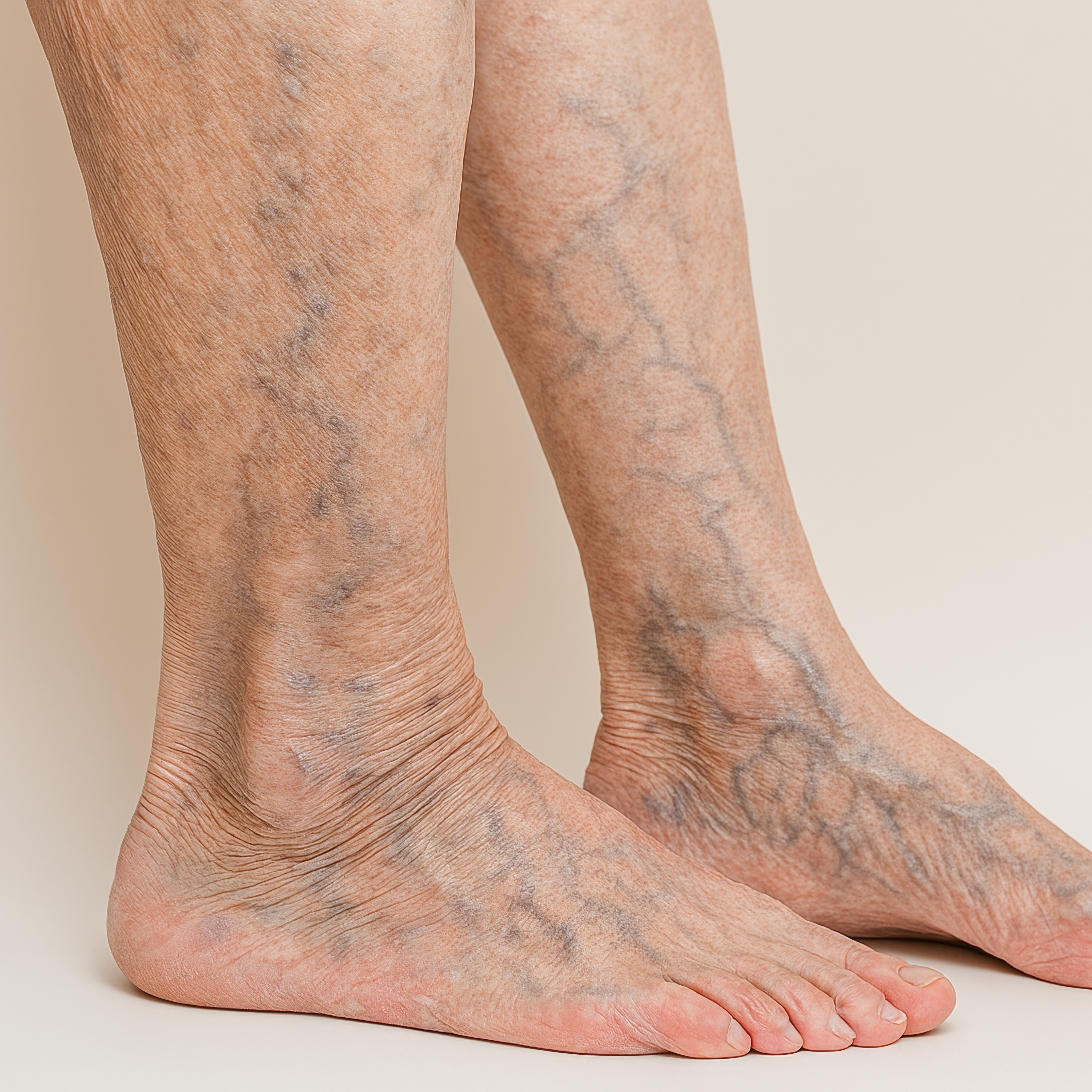
Varicose veins affect millions of adults worldwide, presenting as swollen, twisted, and prominently raised blue or purple vessels beneath the skin of the legs. While often dismissed as merely a cosmetic issue, underlying venous insufficiency is a genuine circulatory condition that requires structured medical evaluation and intervention.
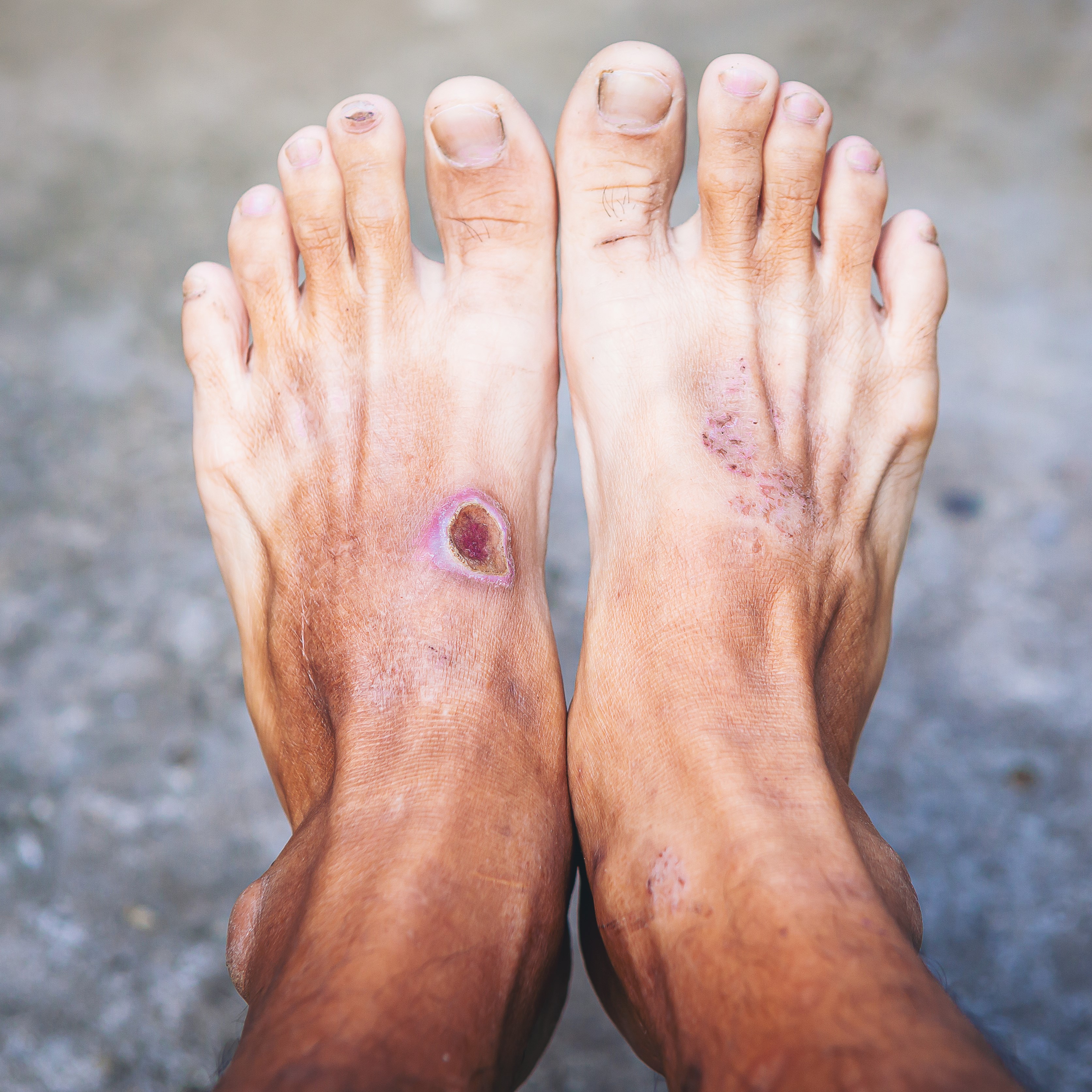
Healthy veins rely on delicate one-way valves that propel deoxygenated blood upwards back to the heart against gravity. When these microscopic valves weaken or fail, blood leaks backward and pools within the lower extremity vessels—a state known as venous reflux. Over time, increased venous pressure dilates the vein walls, causing heaviness, persistent aching, throbbing, nighttime muscle cramping, and localized swelling around the ankles. Without timely care, advanced venous disease can progress to stasis dermatitis, hyperpigmentation, severe phlebitis, and non-healing venous leg ulcers.
Historically, surgical management relied on “vein stripping”—an invasive, painful inpatient procedure involving major incisions and extensive tissue trauma. Today, modern vascular medicine has completely transformed this standard through minimally invasive endovenous thermal ablation. Performed in an outpatient clinical setting under targeted local tumescent anesthesia, treatments like Endovenous Laser Ablation (EVLA) and Radiofrequency Ablation (RFA) utilize ultrasound precision. A microscopic catheter delivers controlled thermal energy straight into the damaged saphenous vein, causing the vessel wall to collapse and seal shut. The body seamlessly reroutes circulation through healthy deeper veins. For smaller tortuous branches or spider veins, complementary therapies such as ultrasound-guided foam sclerotherapy or micro-phlebectomy provide comprehensive clinical and cosmetic restoration.
The advantages of modern catheter-based techniques are substantial:
- No General Anesthesia: Performed comfortably under local numbing, eliminating surgical risks associated with general anesthesia.
- Virtually Painless: Patients experience minimal intra-procedural discomfort and negligible post-procedural bruising.
- Zero Downtime: Most individuals walk out of the clinic immediately following the procedure and resume normal sedentary work and daily routines within 24 hours.
- No Unsightly Scars: Treatments utilize tiny needle punctures rather than surgical scalpel incisions, leaving clear skin.
Following treatment, patients wear graduated compression stockings for a brief transitional period and engage in daily walking to encourage blood flow. If you experience heavy legs, visible cord-like veins, or persistent swelling, scheduling an early vascular duplex ultrasound assessment is the most effective way to eliminate symptoms and prevent chronic complications.