
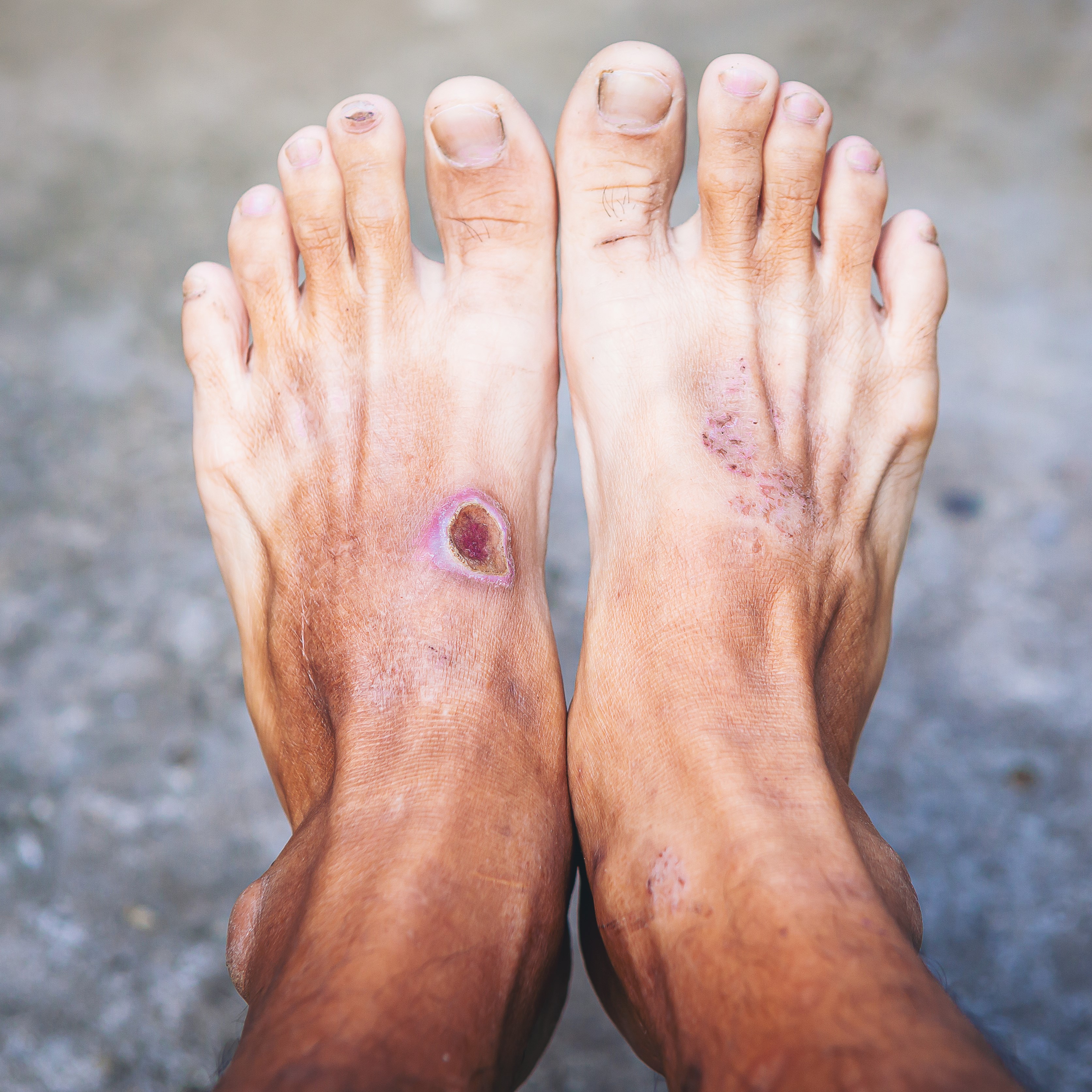
Diabetes mellitus poses serious, lifelong risks to the vascular and peripheral nervous systems. Among its most severe manifestations is the diabetic foot—a condition characterized by neuropathic ulcers, structural deformities, and severe peripheral vascular compromise. Effective limb salvage requires a multidisciplinary, proactive approach built on early diagnostic intervention, specialized wound therapy, and modern revascularization.
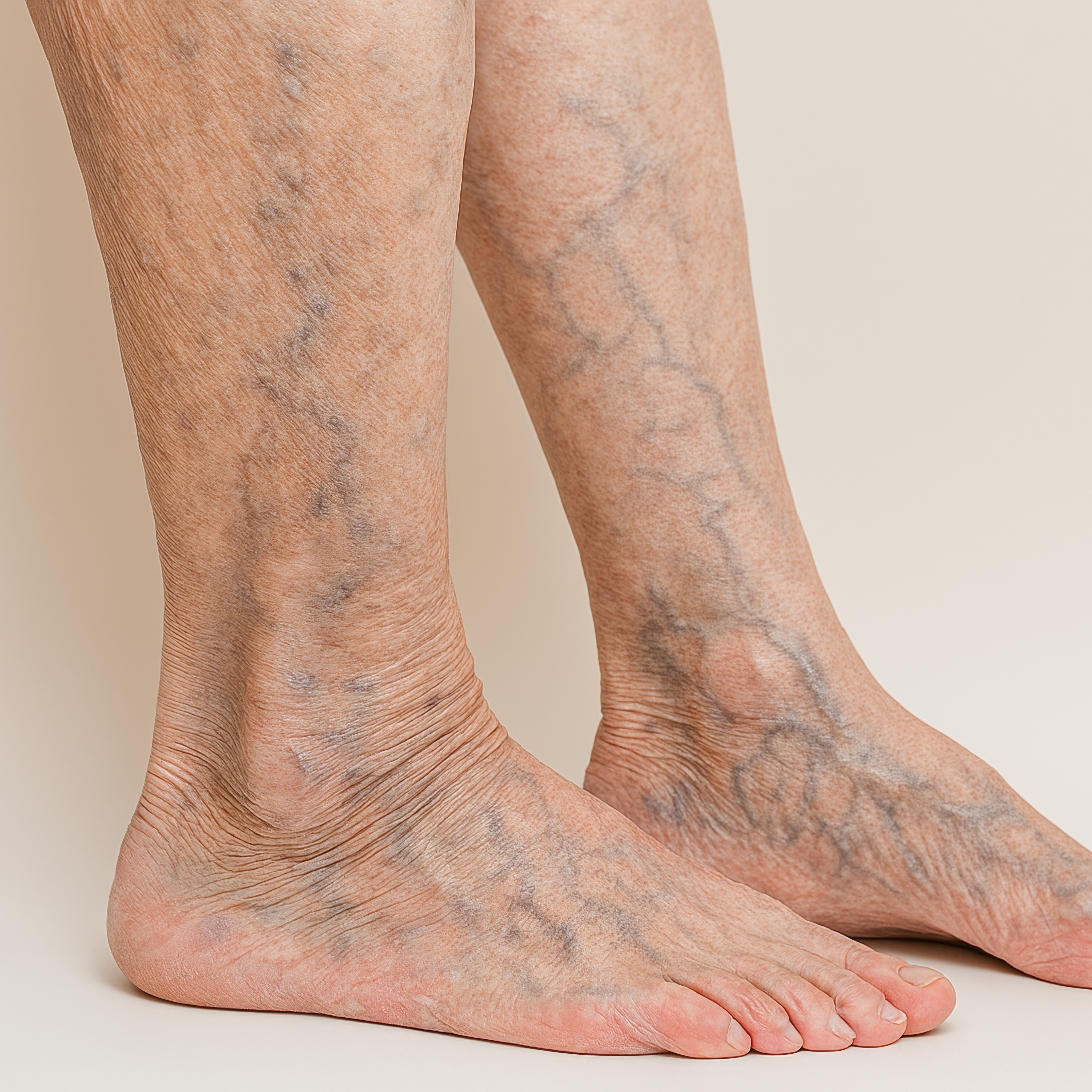
The core threat to diabetic patients stems from two compounding complications: peripheral neuropathy and Peripheral Artery Disease (PAD). Chronic hyperglycemia damages peripheral sensory nerves, leading to a loss of protective sensation. A patient may step on a sharp object, develop a blister, or wear ill-fitting footwear without feeling pain or pressure. Simultaneously, microvascular and macrovascular disease narrows the arterial supply to the lower limbs, drastically diminishing oxygen and nutrient delivery to tissues. When a minor injury or blister occurs, tissues cannot mount an effective healing response, resulting in rapidly expanding ulcers that can advance into deep bone infections (osteomyelitis) or wet gangrene.
Modern limb preservation protocols aim to salvage at-risk limbs by addressing both arterial supply and local tissue health:
- Endovascular Angioplasty and Stenting: Utilizing ultra-thin microcatheters through a pinprick puncture in the groin or foot, vascular surgeons access narrow or blocked infrapopliteal vessels. Using microscopic balloon angioplasty, atherectomy, or drug-eluting stents, robust pulsatile arterial flow is restored directly to the wound bed.
- Surgical Debridement: Removing necrotic, infected, or non-viable tissue to expose healthy margins, halt microbial invasion, and stimulate cellular granulation.
- Advanced Biologic Dressings and Offloading: Applying antimicrobial dressings, bio-engineered skin substitutes, and rigid customized offloading boots or casts to relieve pressure on the ulcer site.
Preventive daily practices remain crucial for diabetic patients:
- Inspect Feet Daily: Examine soles, heels, and between toes for redness, blisters, or fissures using a mirror or family assistance.
- Never Walk Barefoot: Protect delicate foot tissues from unnoticed microtrauma, both indoors and outdoors.
- Choose Therapeutic Footwear: Wear wide, seamless, cushioned orthopedic shoes that minimize mechanical friction.
- Professional Nail Trimming: Cut toenails straight across without digging into corners to prevent paronychia.
Regular screening by a certified vascular specialist allows early detection of arterial insufficiency through ankle-brachial index (ABI) and arterial duplex ultrasound, catching small tissue breaks long before they threaten your limb or independence.